01-08-2026
10 Costly Mistakes to Avoid When Building a New Home in Northland
...and the lessons 35 years in the building industry have taught me.
Building a new home or undertaking a major renovation is one of the biggest investments you'll ever make.
After more than 35 years in the building industry, I've had the privilege of helping many Northland families — from Whangarei to Marsden Cove and right along the coast — bring their dream homes to life. I've also seen where projects become stressful, expensive or frustrating — not because of poor construction, but because of decisions made long before the first sod is turned.
These aren't criticisms. They're simply patterns I've noticed over the years. The good news is that most are completely avoidable with the right planning and the right team.
Here are ten lessons I've learnt that can help make your building journey smoother, more enjoyable and ultimately more successful.
1. Build the Right Team from the Beginning
One of the biggest misconceptions is that you need completed plans before talking to a builder.
In reality, the best projects happen when the homeowner, architect, engineer and builder work together from the concept stage.
I've seen clients invest heavily in completed plans, only to discover the design was well beyond their budget. At that point everyone is forced back to the drawing board.
Having your builder involved early provides practical construction advice and real-world cost guidance while ideas are still flexible. It often saves both time and money and results in a home that's not only beautiful, but achievable.
2. Make Sure the Concept Matches Your Budget
It's exciting to see your dream home taking shape on paper.
Before investing in detailed working drawings, it's worth making sure the concept can realistically be built within your budget.
A ballpark estimate during the concept stage can identify potential issues early, while changes are still relatively inexpensive to make.
It's far better to refine a concept than redesign completed plans.
3. Spend Time Creating a Detailed Brief
The more time you spend getting the brief right, the fewer changes you'll make later.
Before your designer starts sketching, think carefully about how you want to live in your home.
Questions like:
- How do you entertain?
- Do you need a home office?
- How much storage will you require?
- What features are absolute must-haves, and where are you prepared to compromise if needed?
- How long do you expect to own the home, and is it designed to suit those plans?
- Could a few simple design decisions today improve its future functionality or resale value?
The more thought that goes into the brief, the smoother the entire design process becomes.
4. Be Realistic About Your Budget
Nobody enjoys talking about budgets, but having an honest conversation early helps everyone.
Your architect can only design to the information they're given. Without a realistic budget, it's easy to create a home that's beautiful — but simply isn't achievable.
Being open about your budget doesn't limit creativity. It allows your architect and builder to focus their creativity where it delivers the greatest value.
5. You're Choosing More Than Just a Builder
Many homeowners naturally compare quotes.
That's important — but price is only one part of the decision.
You're also choosing the person and the systems you'll be working with over the next 12 to 18 months.
Ask yourself:
- How will they communicate?
- How transparent are they with budgets?
- Will you receive regular project updates?
- How are selections managed?
- How easy is it to track changes throughout the build?
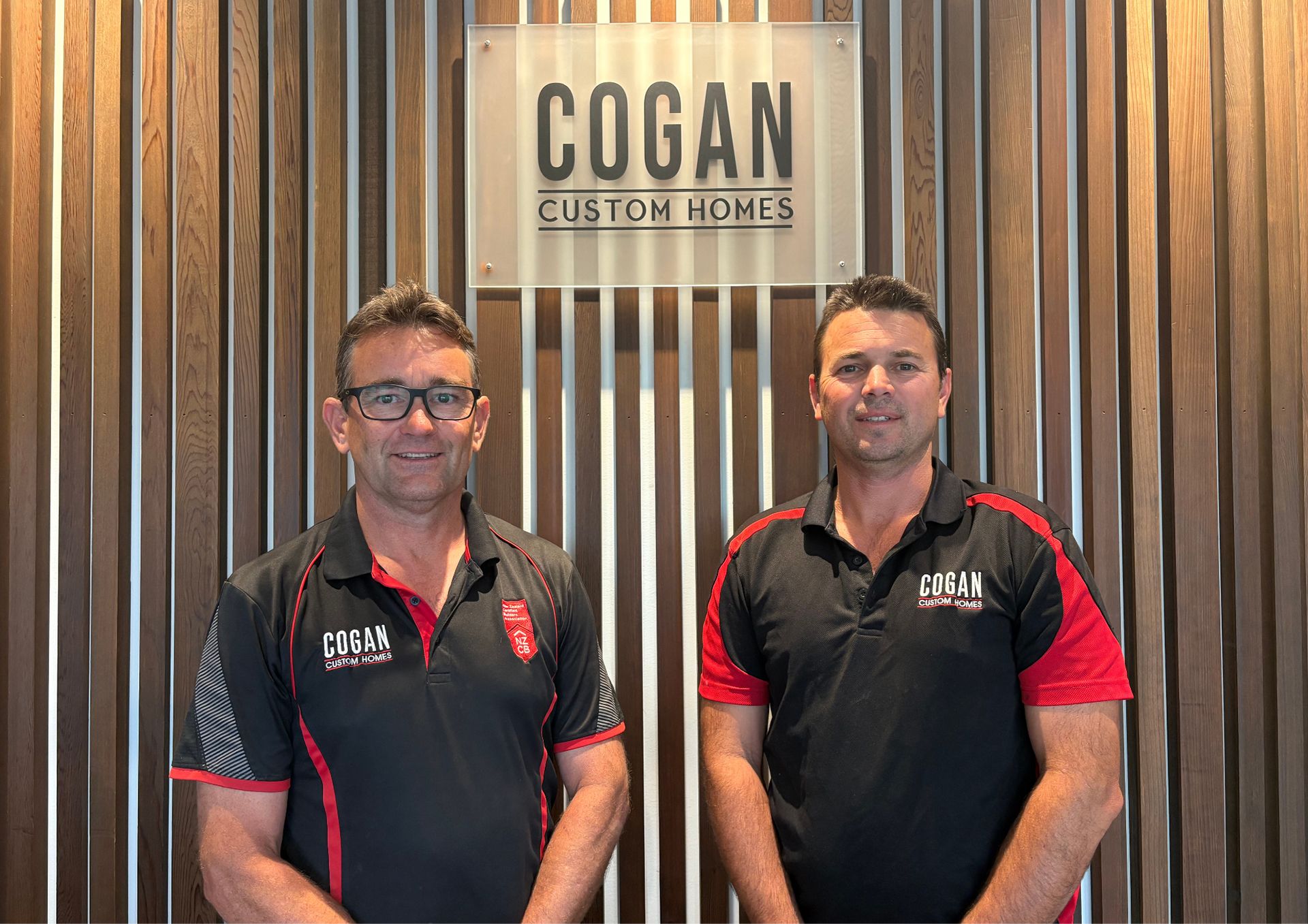
At Cogan Custom Homes, we use Buildertrend to give our clients complete visibility over schedules, selections, budgets, variations and communication throughout the project.
Building should be exciting — not stressful.
6. Leaving Product Selections Too Late
Many homeowners underestimate how early some decisions need to be made.
Flooring is a great example.
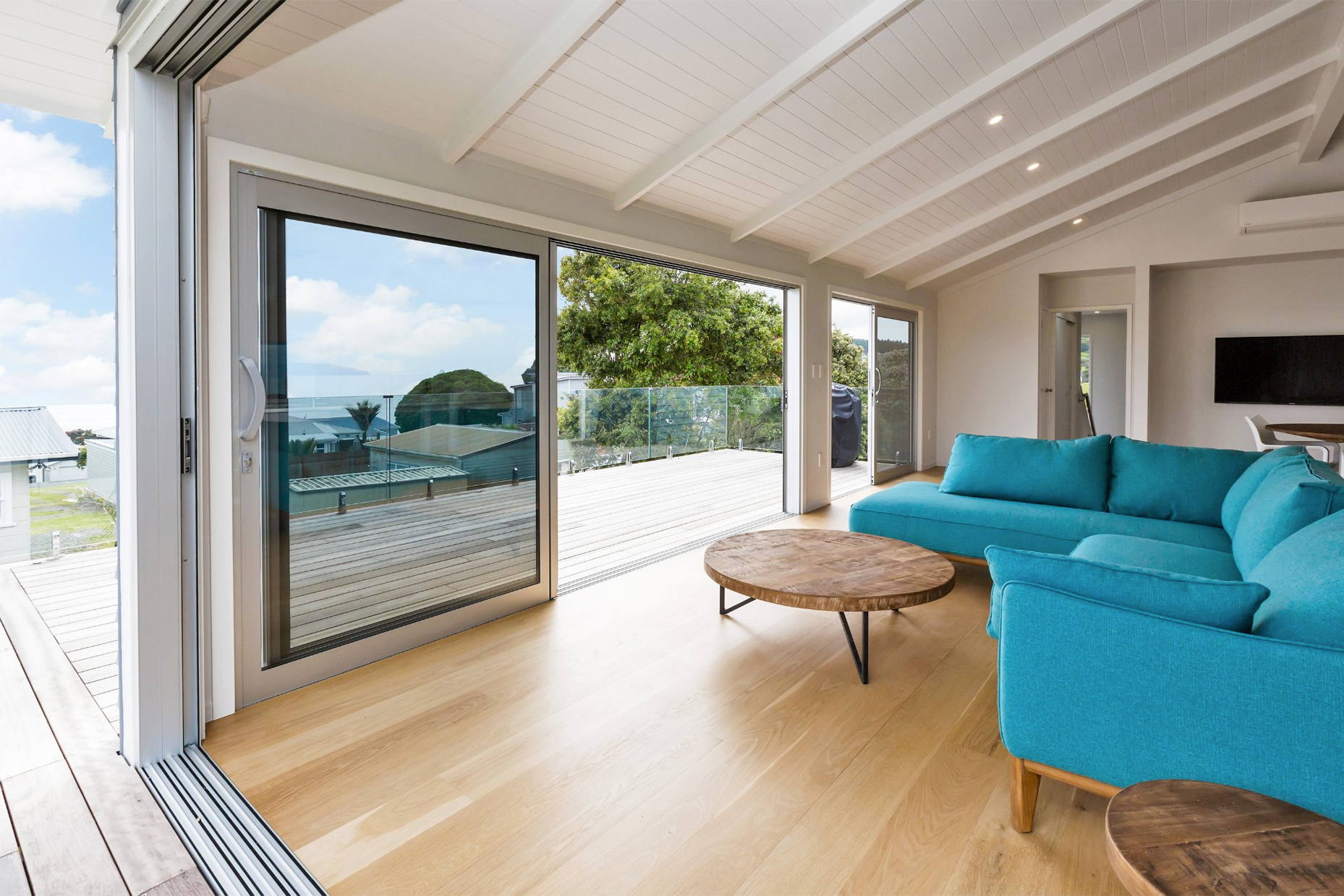
The flooring you choose can affect floor levels, door clearances, level thresholds, tiled showers and the transition between indoor and outdoor living.
Leaving these decisions until construction is underway can lead to compromises that could have easily been avoided.
The earlier key selections are made, the better all the finer details come together.
7. Think Beyond the House
It's easy to focus all your attention on the house itself, but some of the best homes are designed with the entire property in mind.
Landscaping isn't something that should simply be added once construction is finished. It can influence the design of the home from the very beginning.
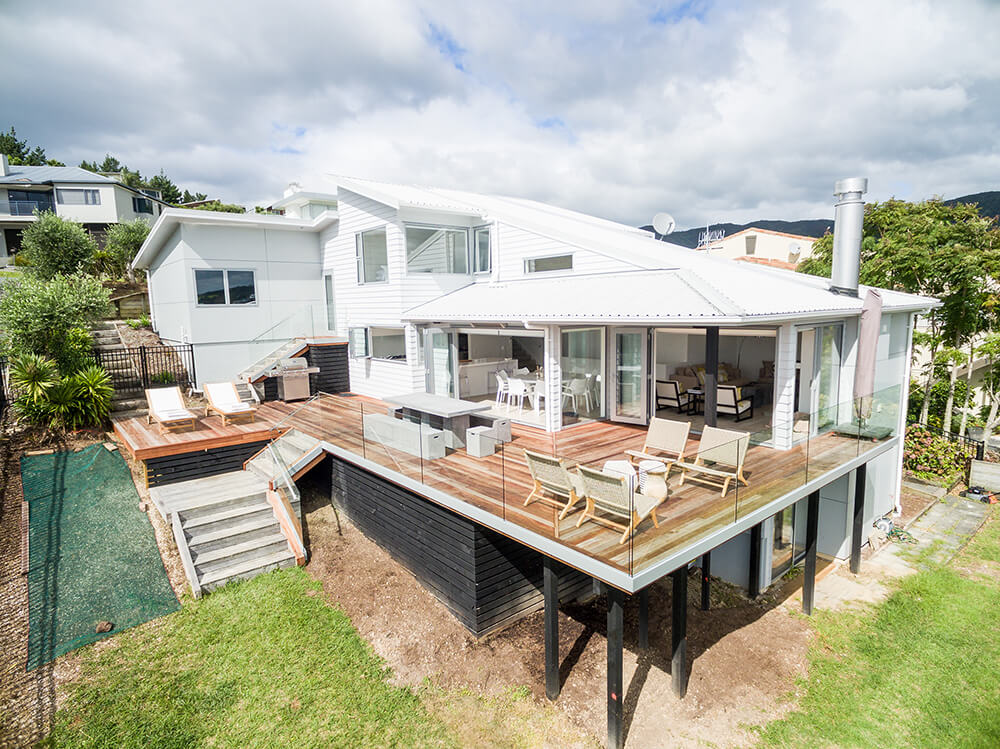
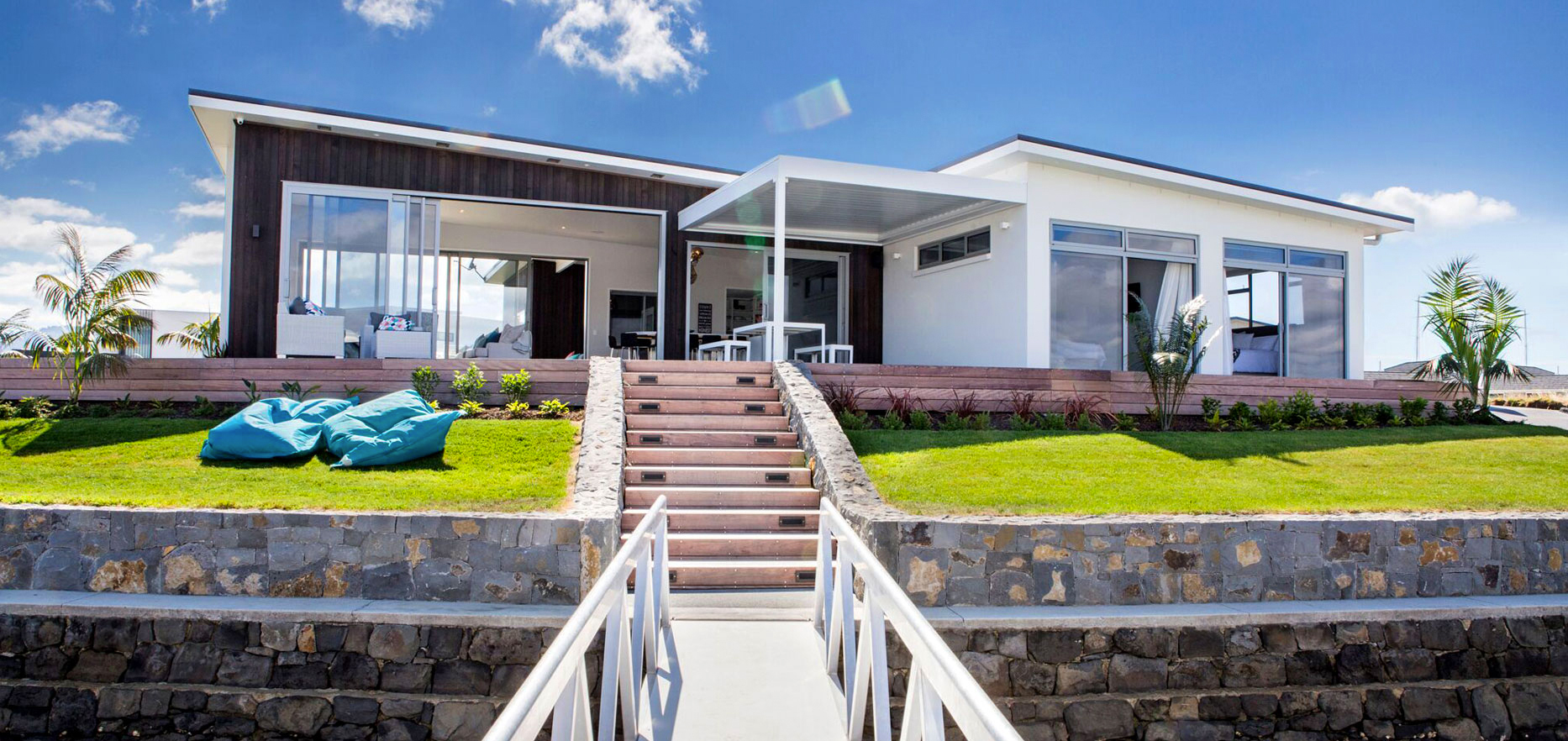
The location and height of decks, level thresholds, retaining walls, pools, outdoor entertaining areas, driveways, parking for boats or campers, and even future sheds are all easier — and often more cost-effective — to plan early.
I've seen projects where homeowners wanted to add these features later, only to discover they would have been simpler, more functional and less expensive if they'd been considered during the design stage.
Thinking about the complete property from day one creates a home that functions better, flows more naturally and often delivers a much better overall result.
8. Understand Your Site Before You Buy — Or Before You Design
Not all sections are created equal.
What's below the surface can have a significant impact on what it costs to build.
Ground conditions, slope, access, drainage and retaining requirements all influence foundation design and overall site costs. A section that appears to be great value can quickly become an expensive proposition if unforeseen site conditions require significant additional work.
Where possible, I recommend obtaining geotechnical advice before purchasing a section — or at the very least before investing heavily in the design process. Spending a few thousand dollars upfront on the right investigations can provide valuable information and help you make informed decisions before committing to a property or a design.
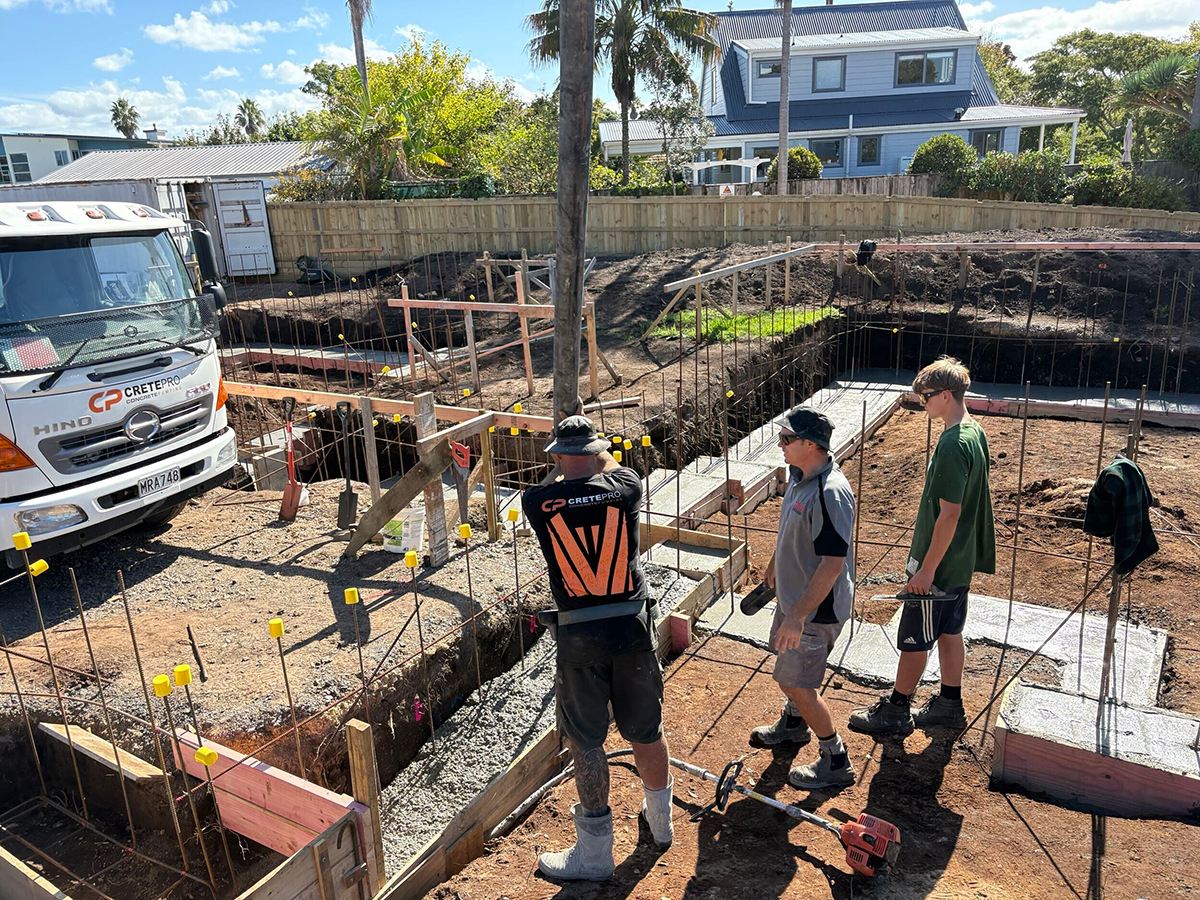
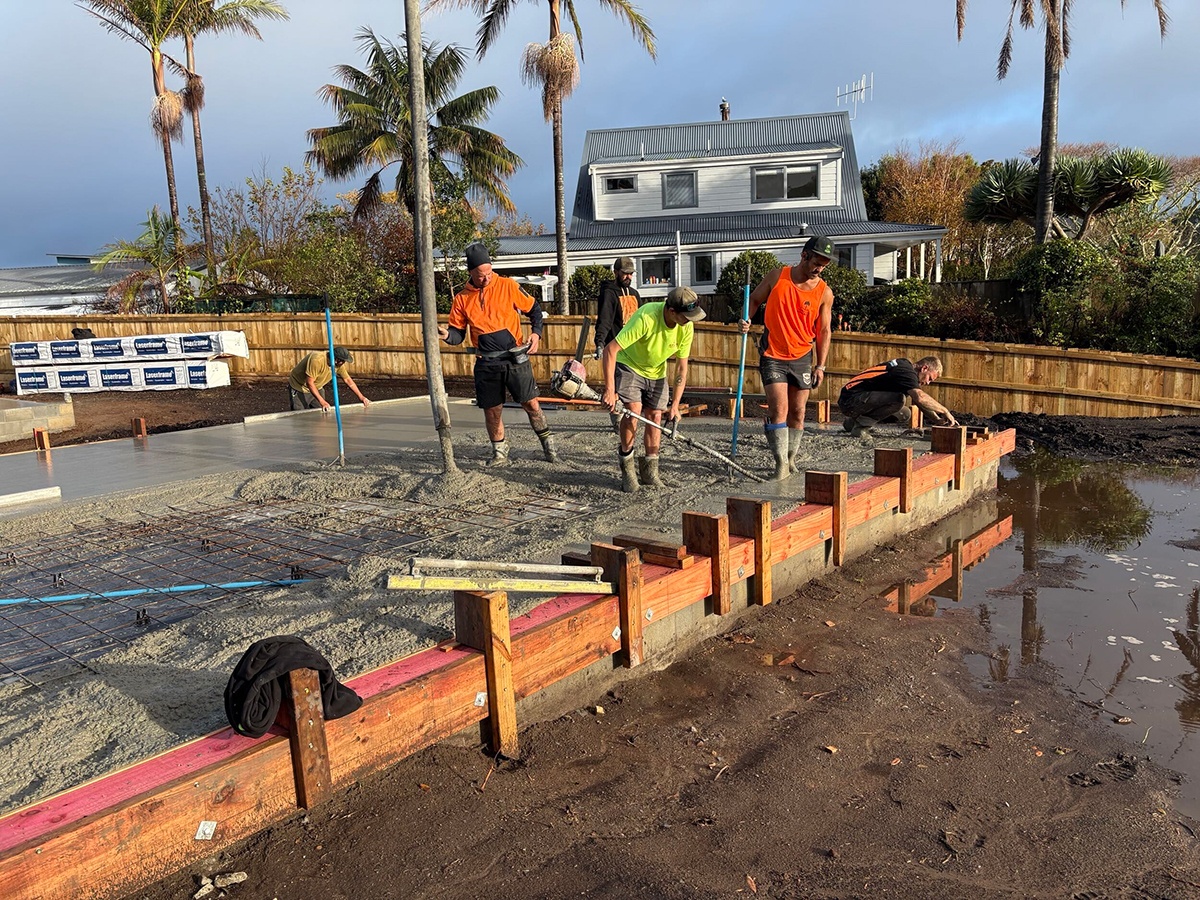
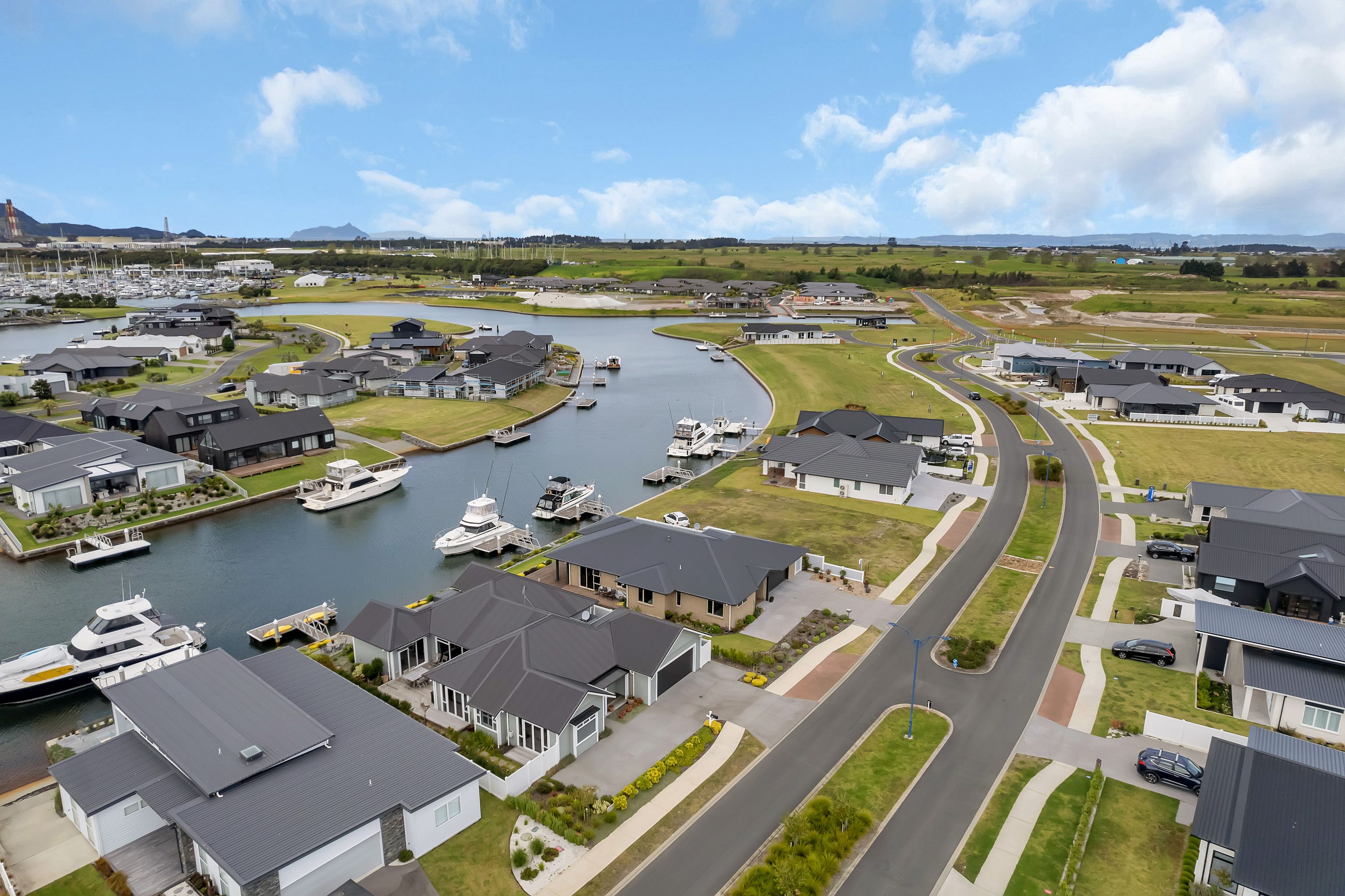
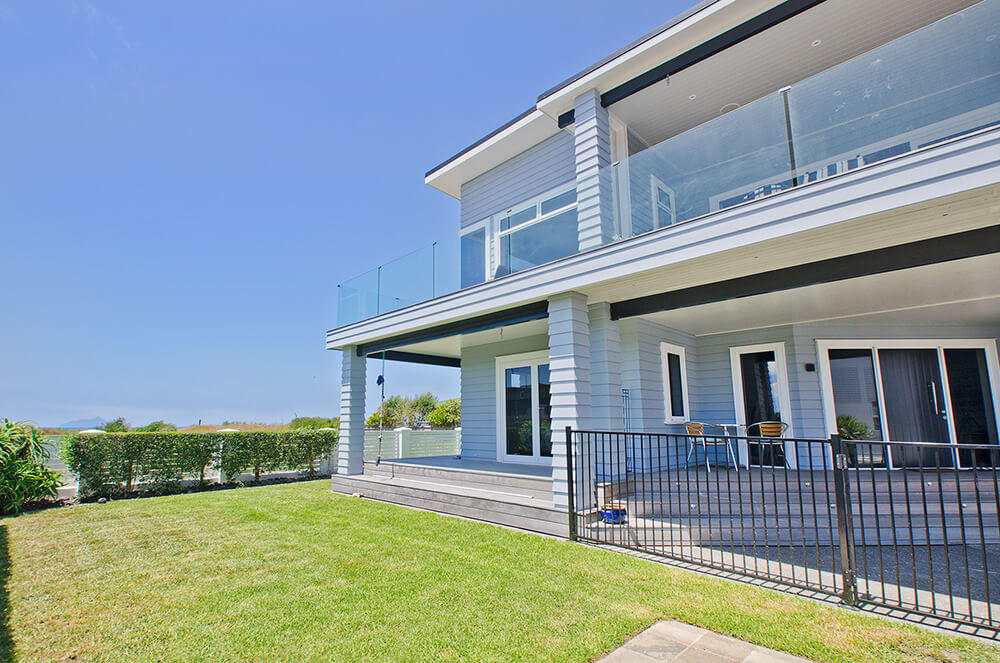
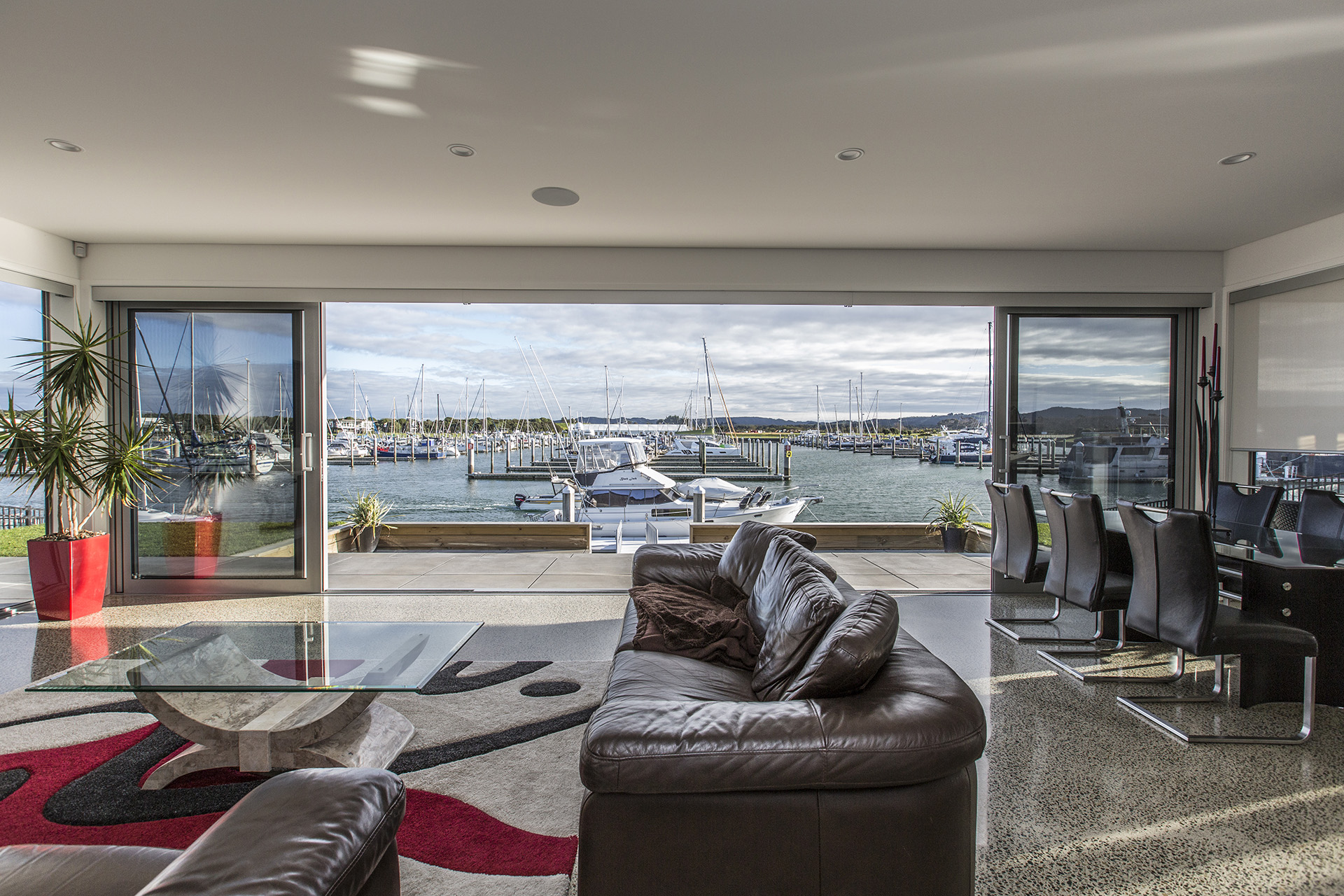
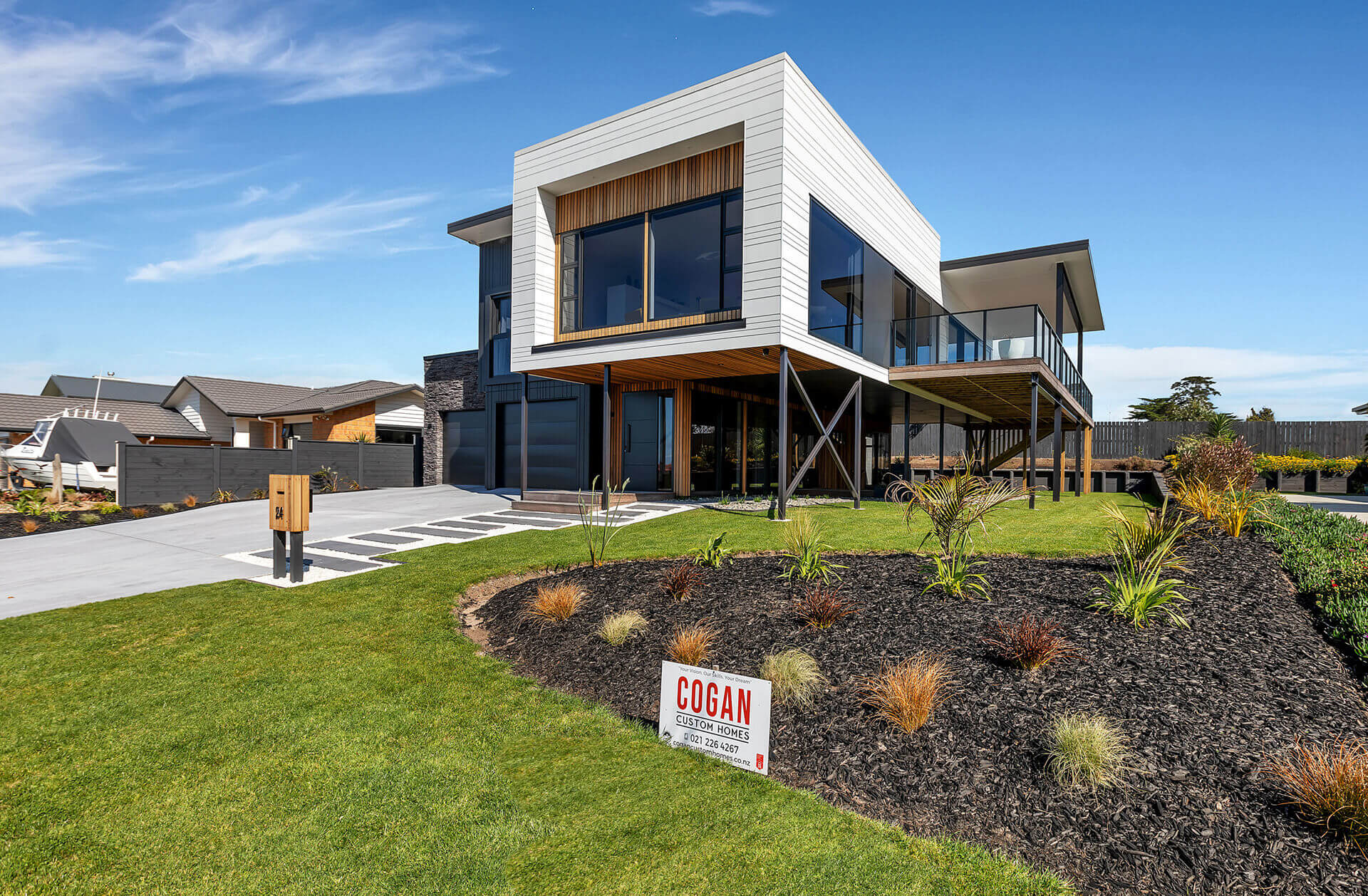
Our own waterfront showhome in One Tree Point is a good example. Early geotechnical investigations identified deep peat beneath the building platform, allowing us to design the foundations appropriately and budget for the additional work from the outset. While it significantly increased the foundation costs, there were no unexpected surprises because we understood the site conditions before construction began.
Every site has its own opportunities and challenges. Understanding them early gives you greater confidence in your budget, helps avoid costly redesigns and ensures you're making informed decisions from the very beginning.
9. Future-Proof Your Home
There are many inexpensive upgrades that are easy to include during construction but much more expensive to add later.
Things like:
- Solar readiness
- EV charger wiring
- Additional data cabling
- Outdoor power
- Home automation
- Extra storage
- Accessibility for the future
Even if you don't need them today, thinking ahead can save significant time and money later on.
10. Don't Wait Until You're Ready to Build Before Starting the Conversation
One of the biggest myths is that you should only contact a builder once everything has been decided.
In reality, some of the most successful projects begin many months — or even years — before construction starts.
Early conversations help you understand likely budgets, identify potential challenges, refine your ideas and make informed decisions before committing significant time and money.
Planning early doesn't mean you need to build tomorrow.
It simply means you're putting yourself in the best position to build successfully when the time is right.
Final Thoughts
After 35 years in the building industry, one lesson stands out above all the rest.
Successful projects aren't just built with quality materials and skilled tradespeople.
They're built on good planning, honest communication and the right team working together from the very beginning.
If you're considering building a new home or undertaking a major renovation in Whangarei, Marsden Cove or anywhere across Northland, I'd be happy to sit down with you for an obligation-free consultation.
Sometimes a one-hour conversation at the beginning of a project can save months of frustration — and thousands of dollars — later.
Whether you're ready to build now or simply exploring your options, having the right advice early can make all the difference. Get in touch with Cogan Custom Homes for a free, no-obligation chat about your Northland build.
.jpg)
.jpg)
.jpg)
.jpg)
.jpg)
.jpg)
.jpg)
.jpg)