27-05-2026
What Goes Into a Home Foundation — A Whangarei Builder Explains
If you're planning a new build in Whangarei, One Tree Point, Ruakaka, Waipu, Mangawhai, or anywhere around Bream Bay, one of the biggest factors in the success of your home is what happens before the house even starts.
At Cogan Custom Homes, we believe good foundations start long before the concrete truck arrives. Every site is different, especially around coastal Northland, and understanding the ground conditions early can save a huge amount of stress and cost later on.
It starts before a single shovel hits the ground
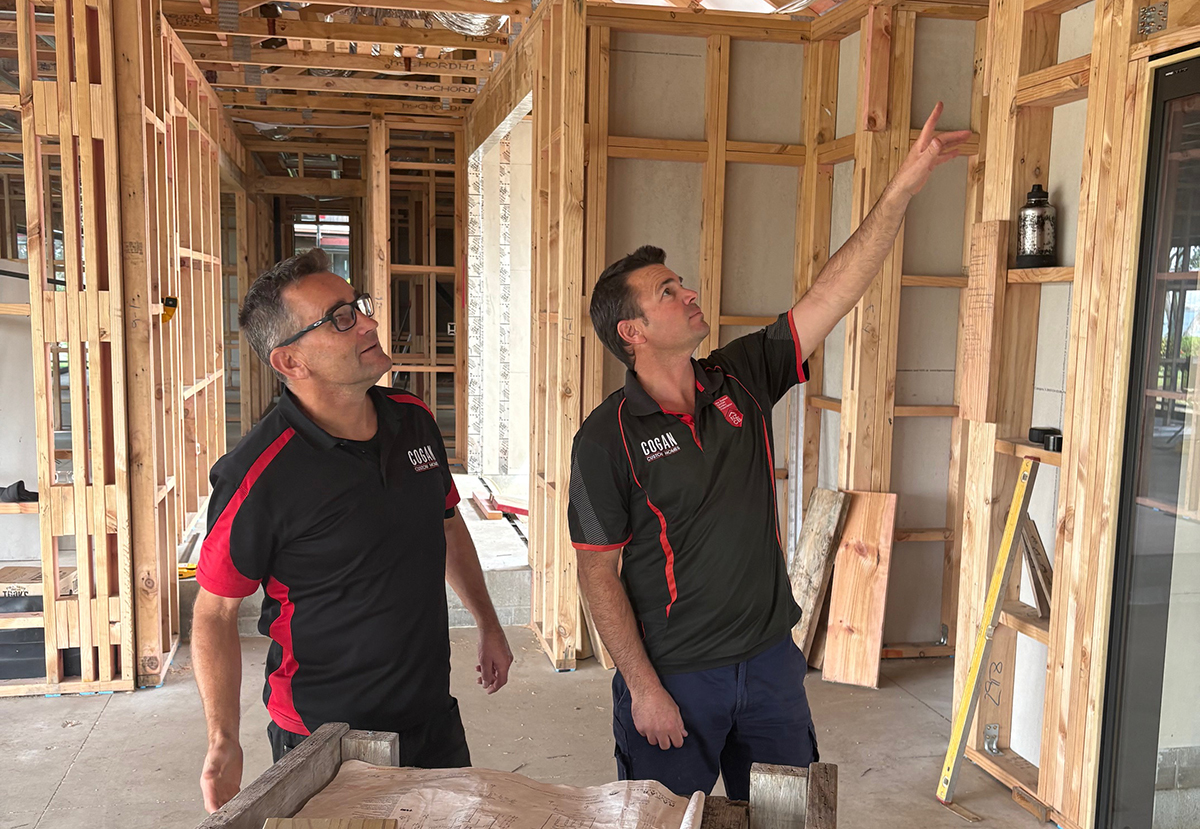
The best results usually come when the builder, architect, engineer, and client are all working together early in the process.
Ideally, an experienced builder is involved during the design stage — before plans and engineering are fully locked in. That collaboration helps make sure the home design, foundation system, and site preparation are the right fit for both the section and the budget.
While the engineer is responsible for the structural design, a builder will often have the clearest understanding of the real-world construction costs and practical challenges involved with different foundation options. Small design or engineering changes early on can sometimes save significant cost and complexity later.
This early stage is about understanding:
- Soil conditions and geotechnical requirements
- Drainage and water tables
- Minimum area datum floor heights which then potentially effect day light angles.
- Any peat or unstable ground
- Slope and retaining requirements
- Wind and coastal hazard exposure
- Excavation and foundation costs
- The most practical and cost-effective foundation system for the site
Around Whangarei and Bream Bay, ground conditions can vary massively from one section to the next. What works well on one site may not suit another only a few streets away.
The earlier the builder, engineer, and architect are working together, the easier it is to avoid surprises and make smart decisions around design, construction, and budget.
Footings and slabs — choosing the right foundation system
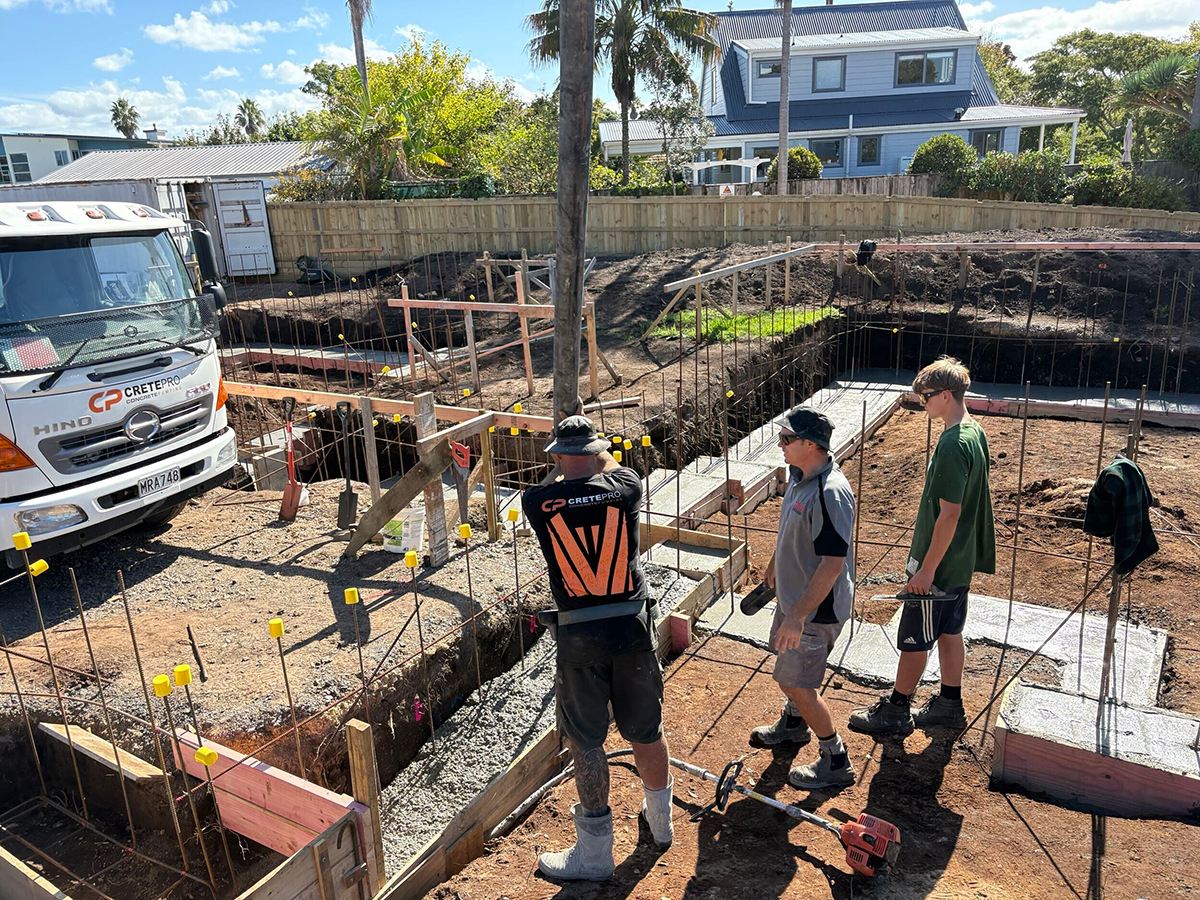
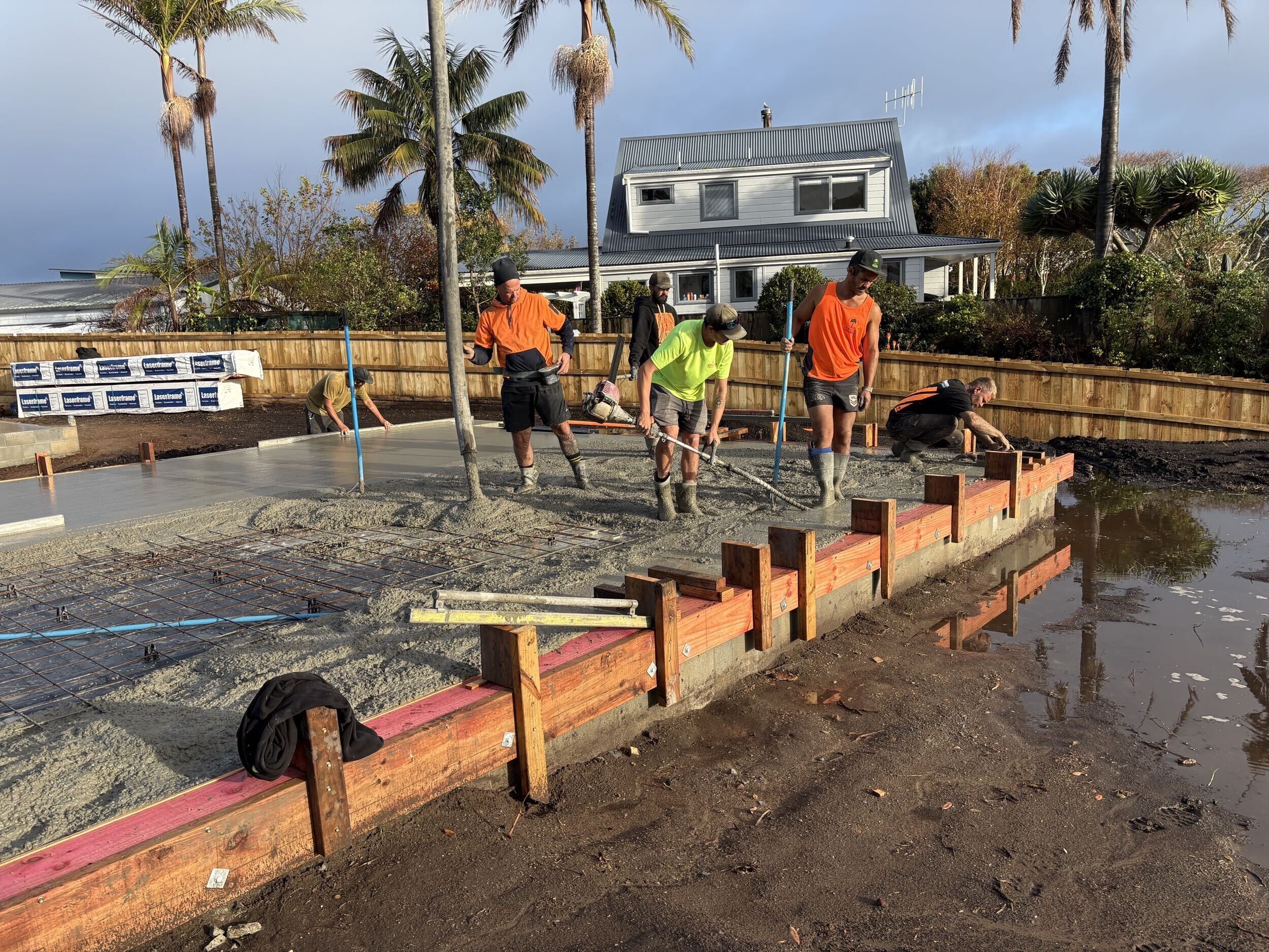
For most homes in Northland, the main concrete foundation options are usually either a concrete rib raft slab or a more traditional block and footing foundation.
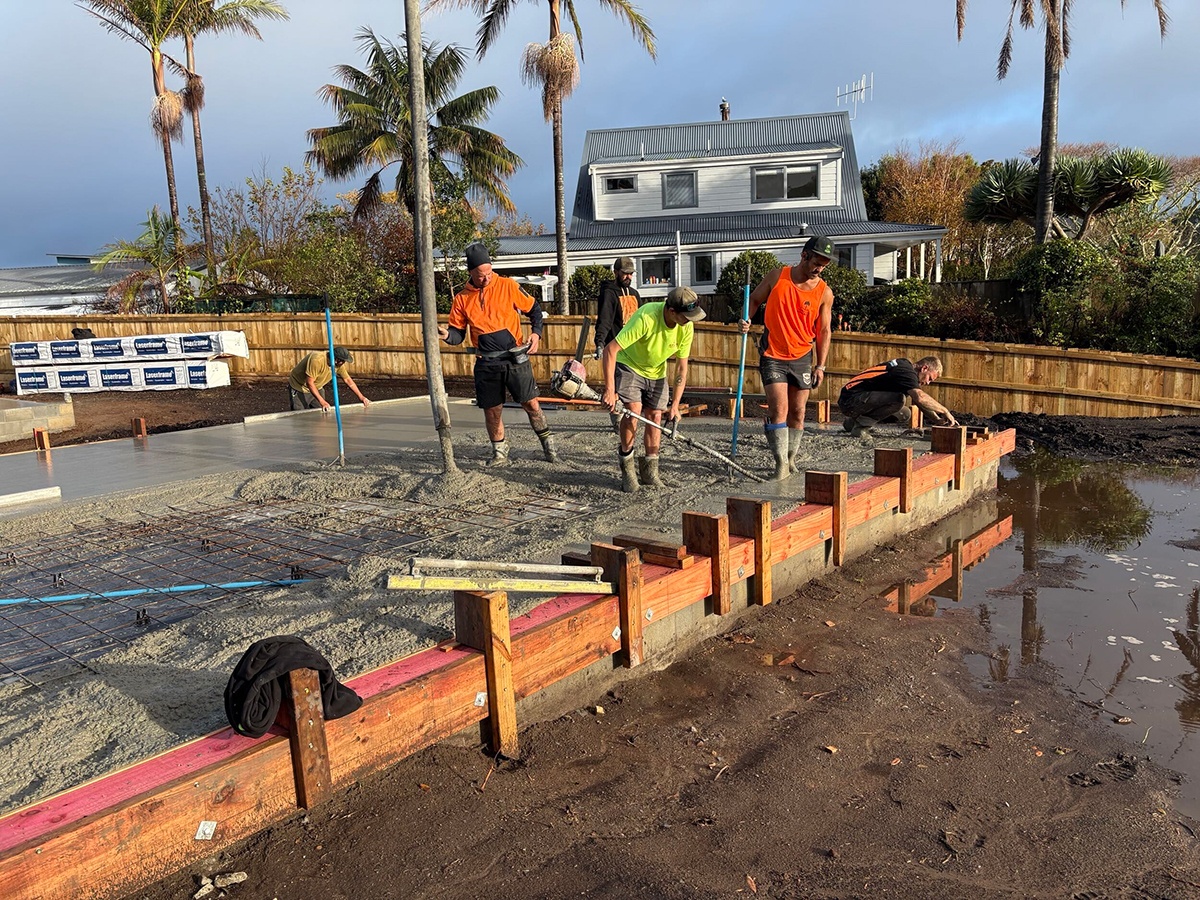
A rib raft slab is often the more cost-effective option where site conditions allow for it. These systems are engineered concrete slabs with reinforced ribs underneath that help spread the load evenly across the ground.
On more challenging sites — particularly sloping sections or areas with poor ground conditions — a traditional footing and block foundation, suspended floor, or piled solution may be required instead.
There is no “one size fits all” approach. The right system depends entirely on the site, engineering requirements, and long-term performance of the home.
Why the foundation affects everything above it
The foundation is what supports the entire structure, so getting it right is critical.
Poor ground preparation or unsuitable foundation design can lead to movement over time, which may cause cracking, uneven floors, sticking doors and windows, and expensive repairs down the track.
In parts of Northland, particularly around coastal and low-lying areas, peat ground can be a major issue. Building directly on peat is generally not suitable without specialist engineering solutions. In many cases, foundations need to transfer loads down to stronger underlying material such as sandstone, either through deeper excavations or piling systems.
This is why local knowledge matters. An experienced builder who understands the area can often identify potential risks and conditions early and help avoid costly surprises during construction.
What this means if you're planning to build
One of the best investments you can make before building is getting a proper understanding of the site conditions early.
We always recommend involving an experienced builder before purchasing a section if possible. Two sites in the same area can have completely different foundation requirements — and very different costs to get out of the ground.
A geotechnical report before purchase is highly recommended at minimum, especially in coastal or rural areas around Whangarei, One Tree Point, Ruakaka, Waipu, Mangawhai, and Bream Bay.
At Cogan Custom Homes, we work closely with clients, architects, engineers, and councils from the early planning stages to help avoid surprises and create homes that are built properly from the ground up.
.jpg)
.jpg)
.jpg)
.jpg)
.jpg)

.jpg)
.jpg)
.jpg)